




Ongoing challenges and disruptions are placing increasing strain on chemical and industrial coatings manufacturers. Ben Beattie, Director of UK-based toll processor Forbeats, explains how toll processors can help them navigate volatility.
In recent years, the chemical sector has been affected by Brexit complications, the lingering effects of the pandemic, the war in Ukraine, disruption to Red Sea shipping routes and instability in the Middle East, all of which have created logistical, regulatory and cost challenges and disruptions.
The movement of hazardous materials – a core component of the chemical and industrial coatings industries – is also becoming increasingly complex. Stricter handling requirements, combined with longer and less direct shipping routes, are slowing the flow of goods and increasing the risk of delay at multiple points in the supply chain.
In the UK, the situation is being exacerbated by reduced road haulage capacity and higher transport costs. Driver shortages and operational constraints mean that even when materials reach the country, moving them efficiently to production sites is not guaranteed.
One of the most immediate challenges is the reliability of material supply. Delays in the delivery of key inputs are making it increasingly difficult to maintain consistent production schedules.
As supply chain pressures persist, market behaviour is also evolving. Price volatility is becoming more pronounced, with traditional pricing mechanisms proving harder to sustain, while tightening supply is reducing buyer leverage and increasing competition for available materials, increasing challenges and disruptions.
Alongside this, manufacturers are also facing increased regulatory divergence, including post-Brexit regulation UK REACH, border checks and country-of-origin documentation, which is increasing complexity and cost for importers and exporters.
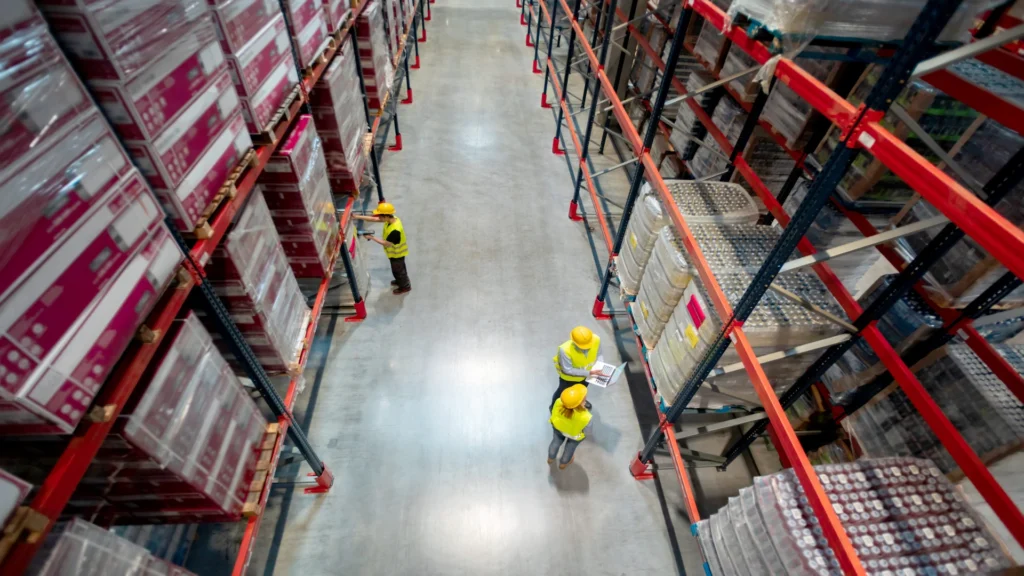
Ongoing challenges and disruptions are placing increasing pressure on the supply chain for chemical and industrial coatings manufacturers
Need for resilience
While these disruptions have become a constant theme across all industries, chemical firms are experiencing unique vulnerabilities. A report by Argon & Co, which drew insights from 800 senior business leaders, has found that only one in five are building formal scenario planning capabilities.
According to the report, rising raw material costs are the biggest supply chain challenge for 40% of the responders, while 33% experience demand volatility and forecasting difficulties. It notes a pattern of short-term fixes replacing long-term capability-building – while companies recognise the need to invest in resilience, margin constraints mean they are being highly selective in how they act – and stresses that resilience needs to be treated as a core capability, not a periodic project.
To help build resilience, chemical and coatings manufacturers should consider partnering with experienced toll processors as they serve as critical enablers of flexibility, efficiency and compliance in an environment where challenges and disruptions such as capacity constraints, regulatory demands and raw material shortages threaten business operations.
From overflow to strategic backbone
Toll processors are moving beyond their traditional role as mere overflow facilities, emerging as strategic partners that enable manufacturers to weather uncertainty, maintain compliance and deliver essential chemicals and lifesaving medicines without interruption.
Partnering with a toll processor allows manufacturers to swiftly adapt to changing market demands, whether due to geopolitical events, regulatory updates or shifts in consumer preferences. This ensures that production schedules can be adjusted promptly, minimising downtime and meeting market needs effectively.
Two of the greatest benefits offered by toll processors are on-demand capacity and agility. They can provide manufacturers and developers with instant access to additional, GMP-compliant capacity without the need for major capital investment. This flexibility enables chemical and coatings companies to ramp up production to meet surges in demand, manage unplanned shutdowns or maintenance at internal facilities, and fulfil new contracts or respond to supply interruptions promptly. By offering scalable and agile support, toll processors help avoid costly downtime while preserving customer trust, thus reducing challenges and disruptions.
Reputable toll processors also invest in state-of-the-art technology and maintain environments that meet the strictest production standards, meaning they can offer services such as micronisation, sieving and screening, custom blending and packing and repacking, including sterile or controlled-environment handling.
Ingredient access
An often-overlooked advantage of toll processors is their extensive network of trusted suppliers and logistics partners. Many maintain up-to-date databases of surplus stock, alternative raw material sources and pre-qualified service providers. This enables toll processors to source hard-to-find ingredients during shortages, implement contingency plans to keep production moving and navigate customs and documentation challenges efficiently. By leveraging these networks, manufacturers can gain access to resources and expertise that would be difficult to replicate in-house.
Furthermore, a well-established partner network gives access to a spectrum of other services, ensuring that toll processors can offer genuine and bespoke end-to-end solutions. Besides full contract manufacturing, additional services can include custom packing and repacking, labelling, warehousing, logistics, administrative paperwork and import and export services. With all these available from a single provider, this ensures an outsourcing solution that is complete, efficient and cost-effective.
Compliance and traceability
With increasing regulatory scrutiny, toll processors can support chemical and coatings manufacturers in maintaining compliance by implementing stringent quality assurance protocols and keeping detailed records, facilitating traceability and adherence to regulations.
Experienced toll processors operate under robust quality management systems, ensuring full compliance with Current Good Manufacturing Practice, ISO 9001 and other sector-specific standards. Moreover, they have the specialist plant and equipment necessary to handle sensitive or hazardous materials safely. Processors with a history of operating across international regulatory frameworks are also particularly valuable for companies working across global markets.
Besides giving assurances of safety, having the necessary policies, procedures, equipment and expertise in place enables toll processors to overcome operational bottlenecks. Being fully equipped and prepared, production can be scaled up at speed, delivering economy-of- scale savings without compromising quality helping to reduce challenges and disruptions. .
For chemical and coatings manufacturers, this offers peace of mind – knowing that products are manufactured and handled according to the highest standards, reducing the risk of compliance failures or recalls.
Choosing a toll processing partner
Selecting a toll processor should not simply be a matter of availability. In tightly-regulated industries like chemicals and coatings, the wrong choice can result in delays, recalls or regulatory non-compliance. As such, potential partners should be carefully considered based on key criteria:
- Regulatory compliance and certifications: Toll processors must operate under strict regulatory protocols, as regulatory missteps can result in fines, recalls or blocked market access.
- Technical expertise and capabilities: Toll partners should offer specialised processing capabilities and demonstrate experience with both standard and high-potency materials.
- Quality control and analytical support: Robust in-house quality control and adherence to data integrity standards should be non-negotiable.
- Confidentiality and IP protection: Intellectual Property (IP) is the lifeblood of many pharmaceutical businesses. Non-disclosure agreements and IP protection protocols should be in place, as a breach of confidentiality or IP leakage can have catastrophic commercial consequences.
- Supply chain integration and responsiveness: Location, supplier network, and operational agility all influence a toll processor’s ability to deliver on time.
As market volatility continues to rise and operational demands grow more complex, and as companies move to strengthen local supply networks and reduce dependency on single regions, toll processors should be seen as a pragmatic and strategic asset rather than a backup overflow option and can help reduce the likelihood of any challenges and disruptions.
From mitigating risk to enabling innovation, the right toll processor partner can offer chemical and coatings manufacturers the expertise, reliability and resilience to navigate challenges and disruptions.
Read more articles like this in the latest issue of Protective Coatings Expert magazine